 Since the 1990’s genetically engineered foods have been on the market, mostly unbeknown to the consumer. The vegetables, fruits, and packaged goods you purchase could contain scientifically modified ingredients. On top of being a little Frankenstein-ish, GMO foods are terrifying because there have been no long term studies done on them, there is a possible genetic effect on humans which is unknown, and doctors have cited it as possible causes of some food allergies and diseases. Is there a way to know whether you are purchasing a GMO food? Not currently. It’s always a risk, even for items labeled “natural” on the shelves.

Next week, all of that may change in California. This election, Proposition 37 proposes GMO food be labeled as such for the benefit of the consumers. The law would require any food from plant or animal that contains GMO ingredients to be labeled with a few exemptions. Farm animals fed GMO grain, restaurants, and alcohol are all exempt from this current law as they are regulated differently It also bars GMO products from labeling themselves as “natural,” which unfortunately is an unregulated marketing word.

Living in California and a huge organic supporter, we are excited for the possibility of this law. Consumers have a right to know what is going in their bodies and it seems the populace agrees. The latest polls are showing over 60% of California voters are in favor of the proposition. Plus one look at who is against it, will make up your mind quickly, Monsanto has been a huge critic, pouring gobs of money into the opposition campaign. They are quite possibly the largest GMO farming corporation that has come under fire for labor violations recently. Would you trust those guys?
Other than knowing what we are putting into our bodies, passing such a law is so important is that it will set a precedent for other states to follow suit. Organic advocates, parents, and pretty much everyone who buys food will win in the long run if this law is passed. Well, you know that slogan: you are what you eat, and we certainly don’t want to be something made in a lab. Please Vote YES on Prop 37!
 Now that both the Democratic and Republican National Conventions have been completed and we are headed into a heated 90 day battle between the big choice of two candidates, it’s time to start comparing them. Unfortunately, when it comes to the environment, neither are looking so hot (unlike our planet….but that’s
  However, let’s talk Romney running today. He does have some
 If this future seems a little bleak, we do have a little better news coming from the blue camp. During the 2008 election, Obama spoke a LOT about the environment, clean energy, and green jobs. However, his track record as President hasn’t actually put these ideas into motion. He has mentioned in
  Let the games begin! The nation and world have been captivated by the Olympic spirit for the past few weeks. Like most, we have been glued to our devices trying to catch all the games, especially soccer. While watching, we started to wonder, are there any Olympic athletes who stick to a plant-based diet? Turns out there are plenty! Some might balk at a vegetarian athlete and feel they wouldn’t be able to keep up due to lack of protein and such, but many have proven that wrong, becoming elite athletes and Olympic winners. In case you aren’t sure who to root for or just want to copy their awesome healthy diet, we thought we’d discuss some of the best of the best.
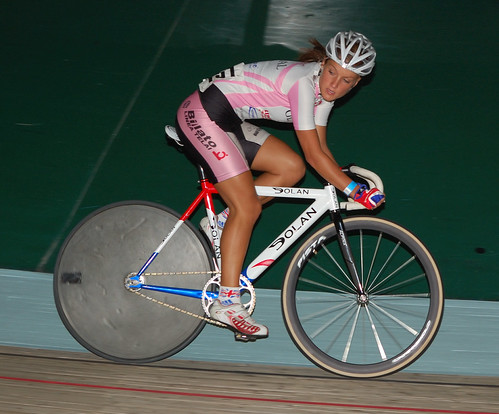 Since the Olympics are being hosted by the Brits, we thought we’d start there. Early in the games you may have heard the name
  But it isn’t just our friends across the pond who are going plant-based. A month or so before the games began, veteran Olympic swimmer, Natalie Coughlin discussed her mostly plant-based diet in
  Our neighbors to the North also have a plant-based athlete to boast of. Dylan Wykes, a champion marathon runner who will be competing in the London Olympics this weekend, first
  London will not only be hosting vegetarian athletes on the field, but off as well. Former US soccer Olympian Kara Lang, whose career was cut short due to a knee injury, is a women’s soccer analyst this summer. She went
  Midsummer Mango Mojitos
  The popsicles are melting and the temperature gage continues to rise. The kids have taken to the streets to cool off under the stream of the fire hydrant and even the dogs are hiding under the shade of the trees. It’s a bonafide heat wave! If this sounds familiar, it’s because the US has been under a nationwide heat wave for the past few weeks. Yes, it is the middle of July, but is there something more sinister at work? With temperatures rising steadily, a lack of winter, and crazy, unpredictable weather, it’s hard not to pose the question. In fact, last week the entire country suffered temperatures well into the 100’s.
 If you thought that was bad news, it only gets worse. In another
  Basically all this news is bleak and a bit scary. Is there anything we can do? It’s unlikely we will be able to slow the affects already set in motion. However, we need to get serious about changing our ways. What we have done to the Earth over the last Century needs to stop now. We need to figure out more sustainable energy and stop using gasoline like it’s water running from a tap. We also need to start planning for the future. Rather than deny the Earth is warming, we, as a society, must plan for the future. Acting now, could save countless lives and resources. You and I need to start pressuring our leaders to pay attention to these issues and we need to change our everyday actions. The heat is on, as the say, so let’s cool it down.
 Vegan Strawberry Rhubarb Pie


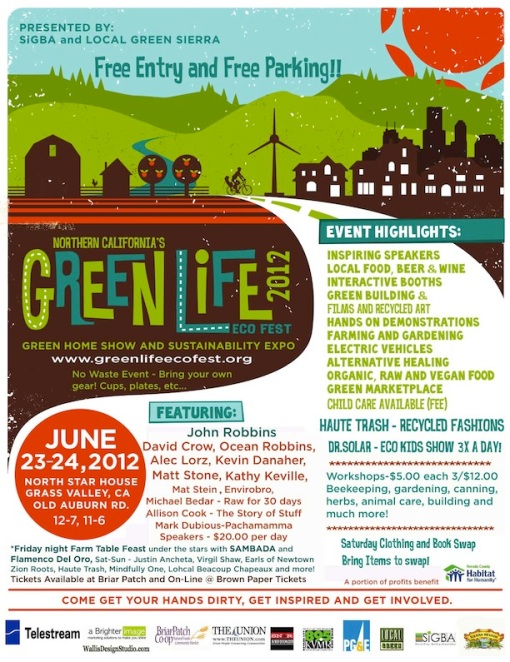
 June is the month to celebrate the Fathers in our lives and what better way to do this than give them an awesome green gift! Holidays are the perfect time to live by your ethics and purchase that celebrates them. The great thing is, no matter what your Dad’s interests are, you will be able to give him an eco-friendly gift he is sure to enjoy. We have put together a little list of green gifts suited for any Father below. Happy Father’s Day!
 The Outdoor Man: Whether it be hiking, canoeing, or running this Dad loves the Great Outdoors. We have a couple of great suggestions for this Dad. From


 Autonomie Project's Blog